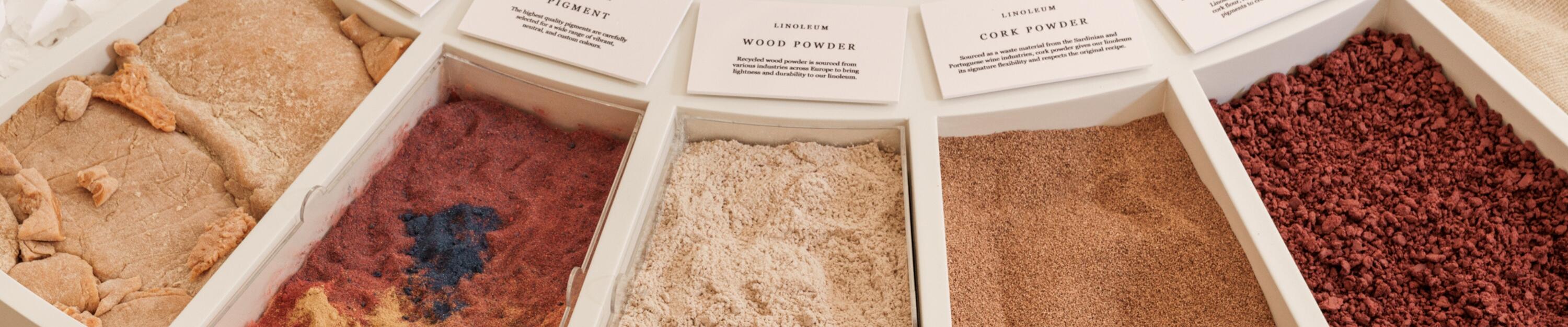
Material Health Statements
Sustainability is not just about reducing our environmental footprint—it’s also about creating spaces that improve everyday life. Tarkett creates flooring that focuses on your health, comfort, and wellbeing. Our designs help improve indoor air quality, reduce noise, and design healthier environments.
Tarkett offers clear Material Health Statements (MHS) that disclose the compositions of our products. We avoid harmful chemicals and consistently work to enhance our material formulations. Acting as an ‘identity card’ for product ingredients, an MHS supports eco-friendly design and builds customer confidence.
What is a Material Health Statement?
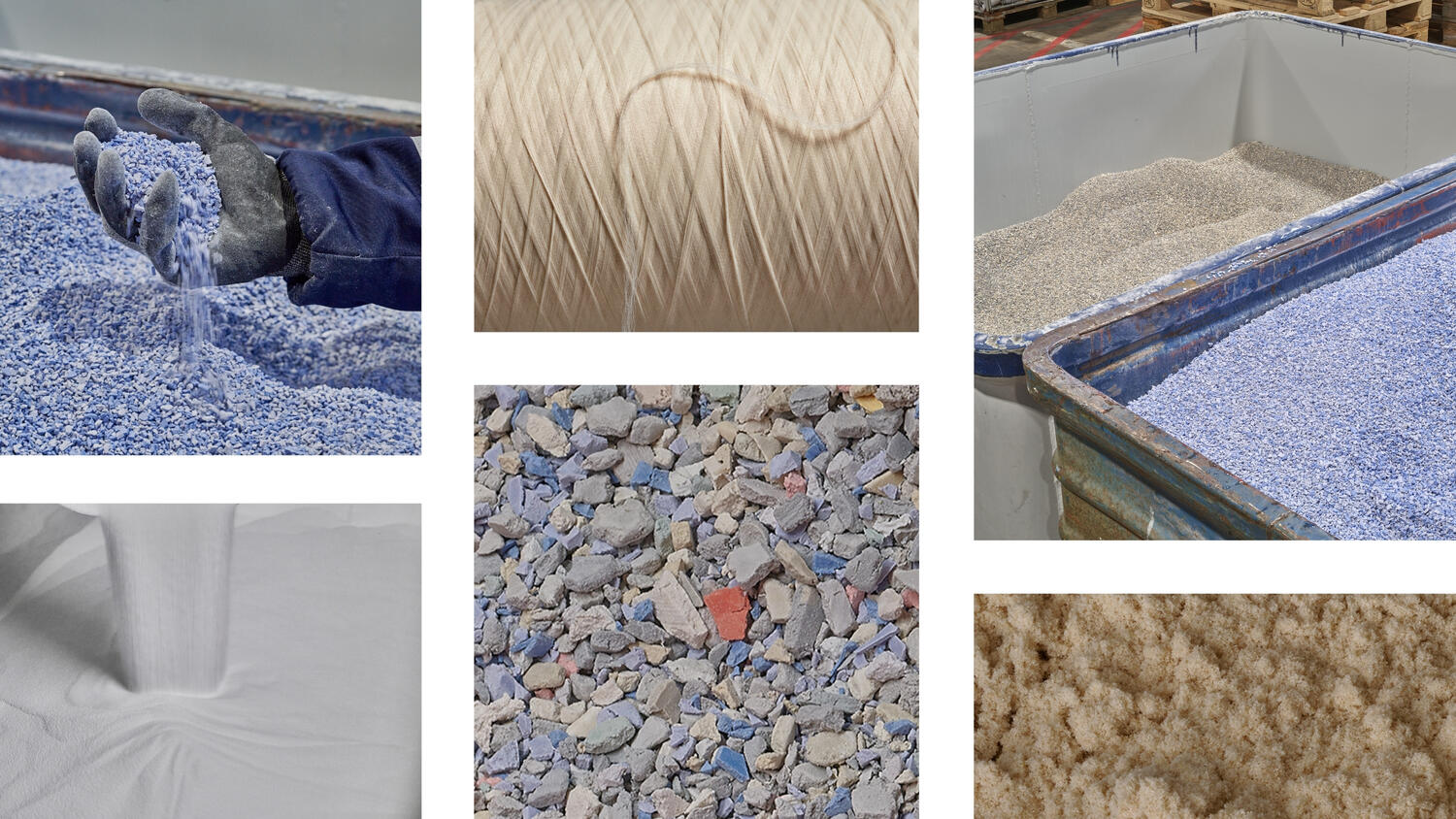
An MHS (Material Health Statement) is a transparent, third-party verified report that assesses the chemical content of a product. Developed in collaboration with EPEA, the Environmental Protection Encouragement Agency, an MHS reveals the health profile of every substance used in a product—right down to 0.01% by weight.
This goes ten times beyond the legal requirements of the EU’s REACH regulation, and reflects our dedication to safer, more sustainable materials.
How does it work?
Each Material Health Statement is based on the Cradle to Cradle® material assessment methodology, one of the most respected frameworks for evaluating the impact of materials on human health and the environment.
Here’s how the process unfolds:
1. Full Material Transparency
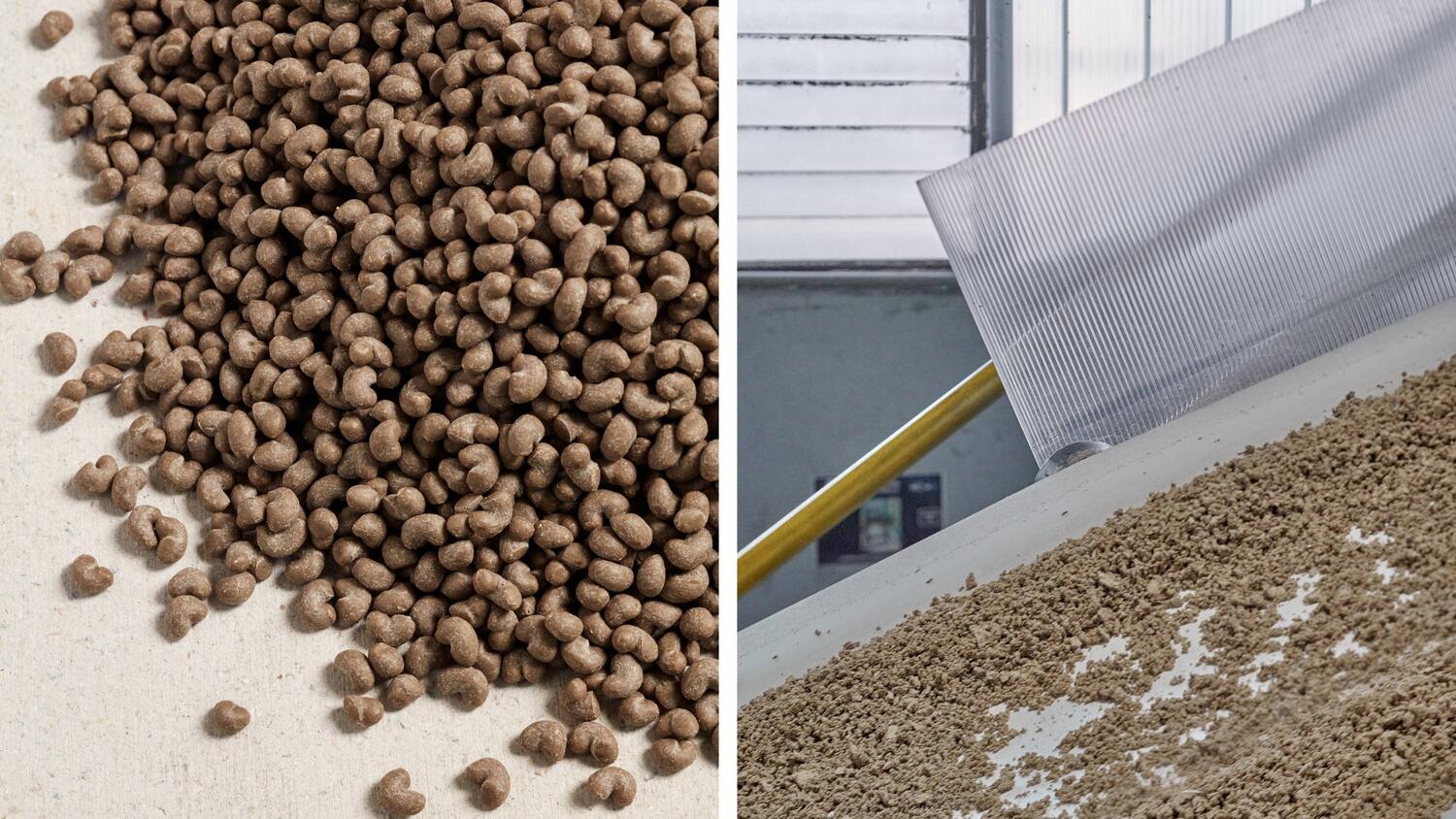
We inventory every raw material used in a product, down to 100 parts per million (0.01% by weight).
2. Third-Party Risk Assessment
EPEA uses the Material Health Assessment (MHA) method—the standard behind Cradle to Cradle® certification—to evaluate every substance. The process often includes GreenScreen® List Translator scores and REACH compliance details.
3. Use-Specific Evaluation
Each substance is evaluated not just in isolation, but in context—specifically in flooring applications and real-world exposure scenarios.
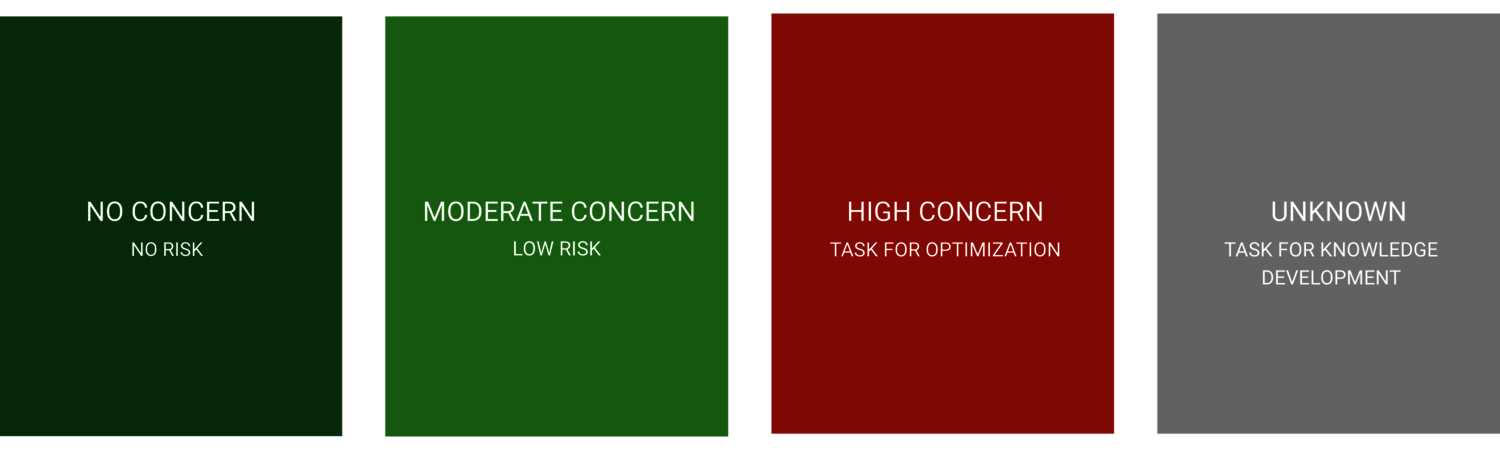
4. Colour-Coded Health Ratings
Every material receives a transparent rating to guide safe material selection and drive continuous improvement:
Why is MHS important for you?
In a world of growing transparency and sustainability targets, MHS gives you a clear view of what's inside the materials you specify. It supports:
- Healthier buildings that prioritise human well-being
- Project compliance with certification systems like LEED, WELL, and Cradle to Cradle®
- Informed choices based on real data—not just marketing claims
Whether you're designing a school, office, hospital, or home, Material Health Statements support your goals of safer, more responsible material sourcing.
Related Content
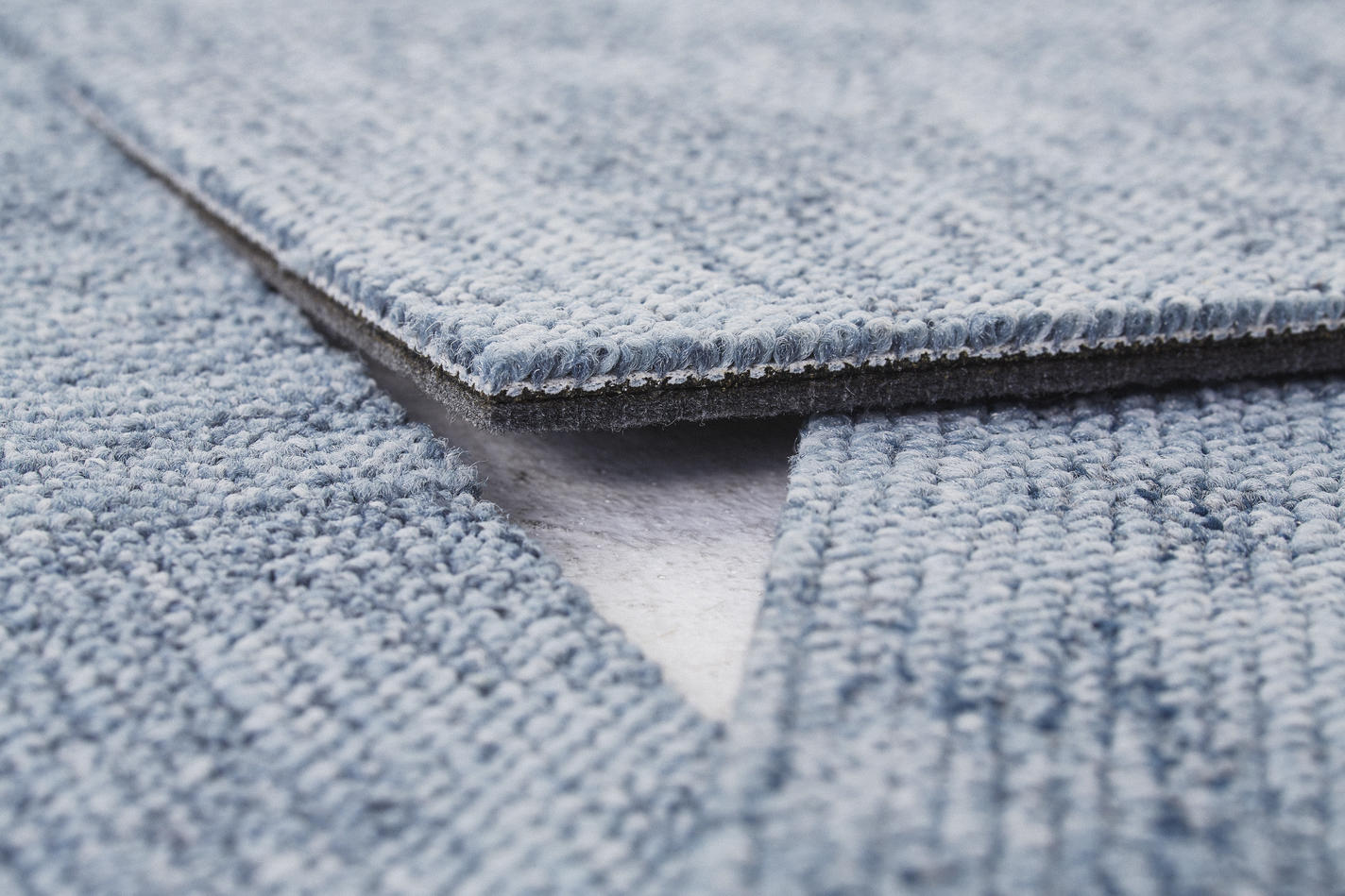
Learn more about our Cradle to Cradle certified floors, be they linoleum, vinyl or carpet.
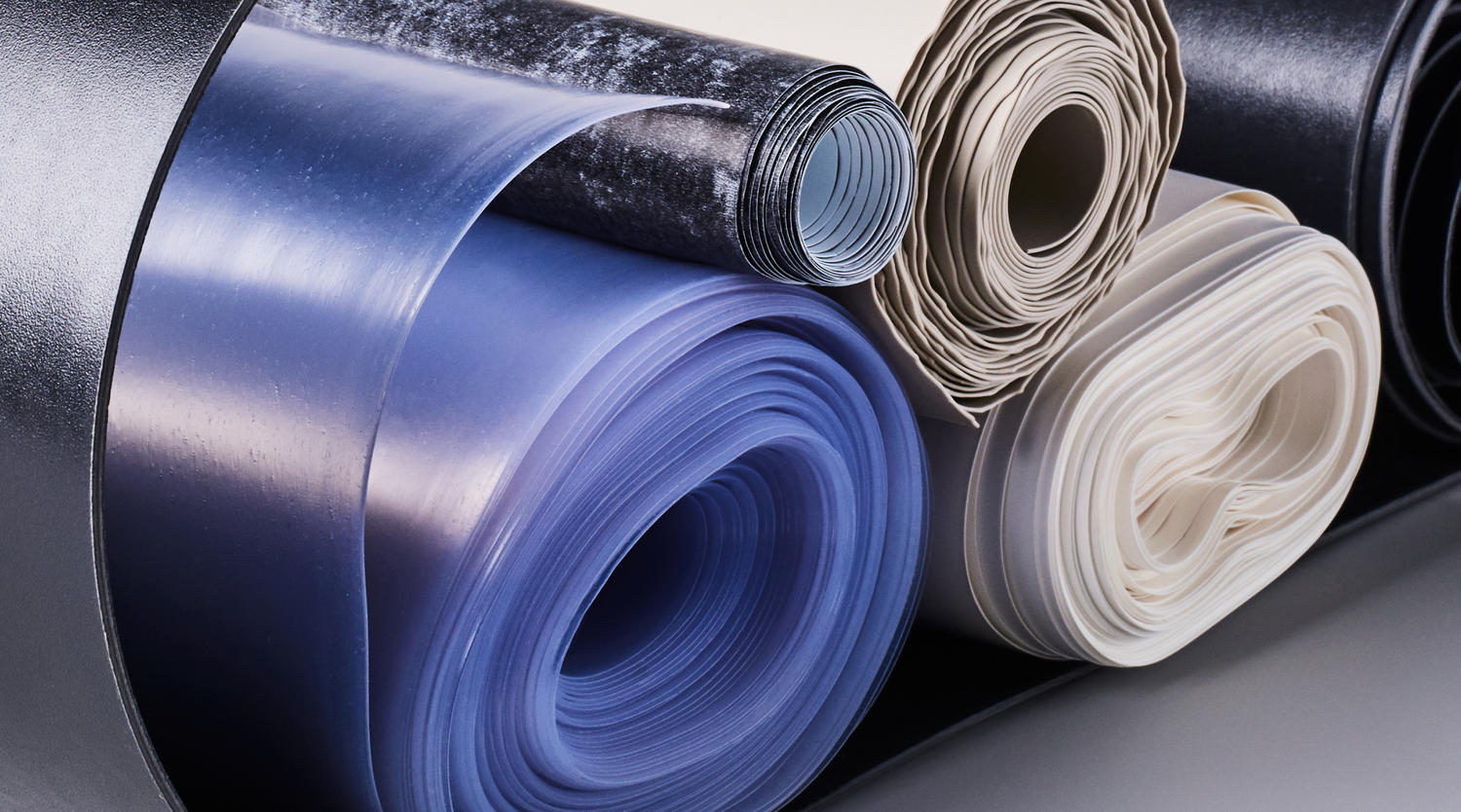
Read more about how we promote material transparency with our Material Health Statements to offer complete transparency on the composition of our products.
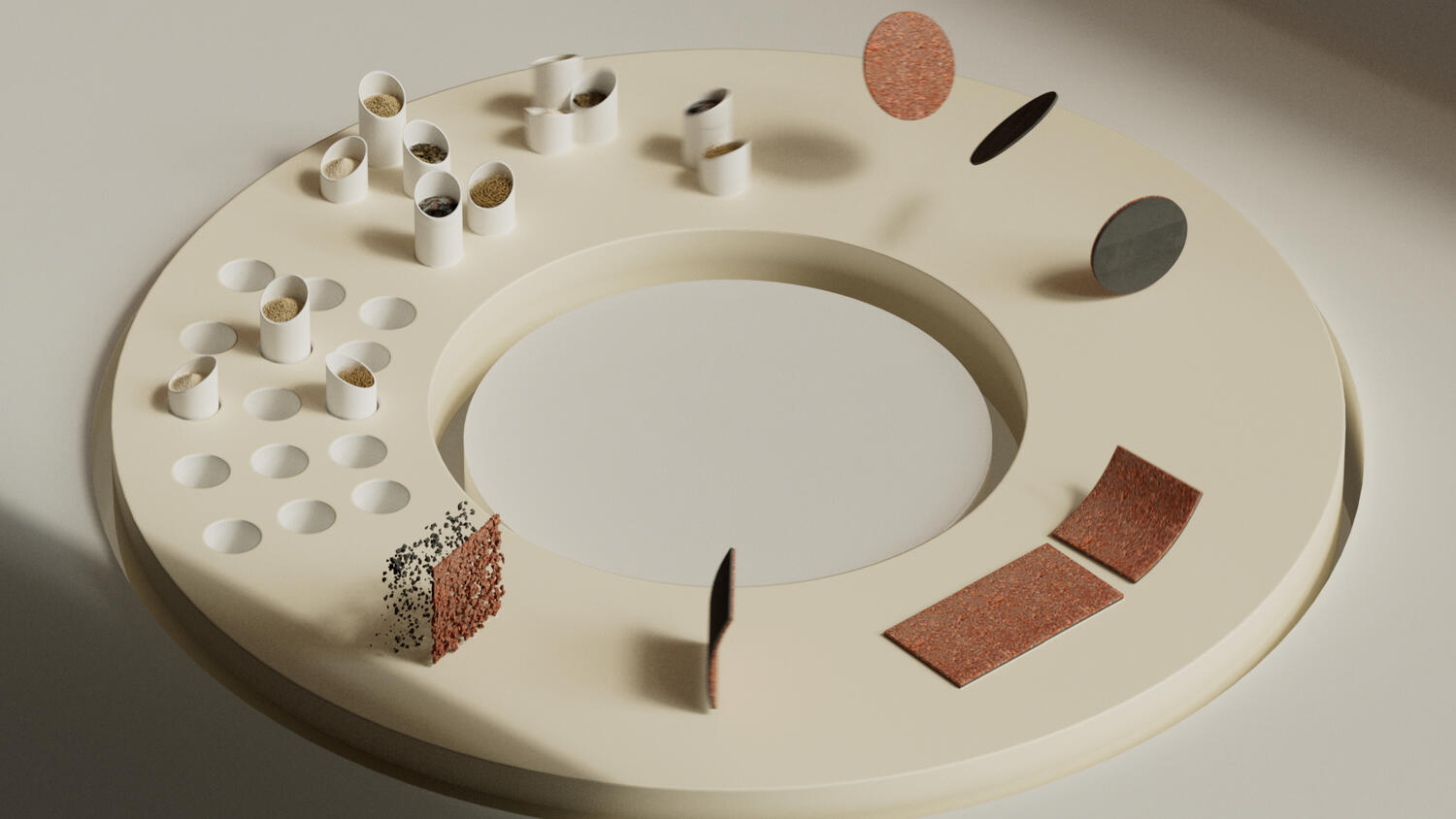
Step into a world of sustainable flooring with DESSO carpet tiles circular journey. Rooted in Cradle to Cradle principles, all our design decisions start at the end.